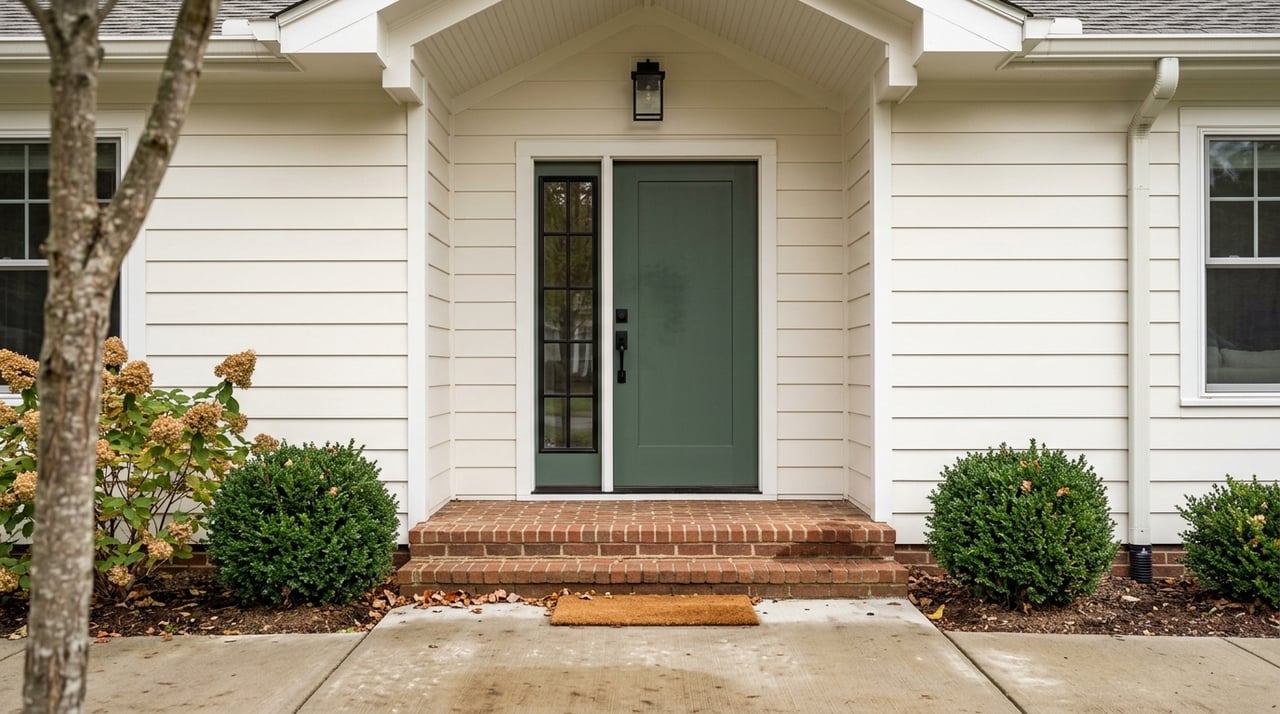
Selling a Richmond home when you live somewhere else can feel like trying to manage a moving target from across the map. You still need to handle prep work, disclosures, showings, repairs, signatures, and closing details, even if you are hours away. The good news is that a remote sale can work smoothly when you have a clear process and strong local coordination. Let’s walk through what matters most.
Why a remote Richmond sale needs a plan
When you are not living in Richmond, the biggest challenge is usually coordination. You may not be there to meet contractors, check on the house, review exterior work, or handle last-minute buyer requests in person.
That is why local project management matters so much. A well-run remote sale depends on keeping the property ready, the paperwork organized, and the timeline moving from listing through settlement.
Richmond also offers useful public tools that can help with pricing and property review. The City of Richmond makes real estate assessment information public through its parcel mapper and property transfer database, and the city calculates real estate tax at $1.20 per $100 of fair market value.
Start with the property itself
Before you list, make sure you have a current picture of the property’s status. That includes confirming the parcel details, reviewing public records, and checking whether there are any location-specific issues that could affect prep work or buyer questions.
One important Richmond-specific issue is historic district review. The city’s Commission of Architectural Review oversees exterior changes in Richmond’s Old and Historic Districts, and some routine exterior projects may qualify for administrative approval.
This matters if you are planning to paint, repair, replace, or update visible exterior features before listing. If the home is in one of those districts, it is smart to build that review process into your prep timeline from the start.
Richmond also notes that being listed on the Virginia Landmarks Register or National Register of Historic Places is different from being in a local Old and Historic District. Those listings are largely honorific by themselves and do not automatically trigger the same local review requirements.
Get disclosures ready early
For remote sellers, early paperwork can prevent late stress. Virginia requires a residential property disclosure statement to be furnished before contract ratification.
If that disclosure is delivered after ratification, the buyer may have a short statutory right to terminate. Under Virginia law, that period can include three days after electronic delivery or five days after mailing.
That timing is a big reason to prepare disclosures before your home goes active or as early in the listing process as possible. It also helps to review everything carefully, because Virginia law requires the seller to disclose any material change before settlement.
Virginia uses a buyer-beware residential disclosure format, so buyers are encouraged to do their own due diligence on issues such as:
- Home condition
- Inspections
- Mold assessments
- Energy analysis
- Surveys
- Flood hazards
- Historic district questions
- Septic or wastewater systems
- Radon
- Lead-free plumbing
- Defective drywall
Even though the form is limited in scope, buyers may still ask detailed questions about the home. When you live elsewhere, it helps to expect those questions and have a local plan for access, records, and follow-up.
Older Richmond homes may need extra steps
Richmond has many older homes, and age can affect the sale process. If your home was built before 1978, federal lead-based paint rules may apply.
For most pre-1978 housing, sellers must disclose known lead-based paint information, provide the required EPA/HUD pamphlet, and give buyers a 10-day opportunity to conduct a lead inspection or risk assessment. For a remote seller, this is best handled upfront in the listing packet rather than later in negotiations.
Older homes can also lead to more buyer questions about maintenance history, materials, or prior updates. That does not mean you need to guess or over-explain, but it does mean your records, disclosures, and communication should be organized from day one.
Use Richmond and Virginia tools to stay organized
A remote sale is much easier when your process is digital. Virginia law recognizes electronic delivery, electronic signatures, and electronic notarization, which makes it practical to manage many steps without being physically present.
In Virginia, electronic delivery includes sending required disclosures via the internet with proof of delivery. That means a secure digital workflow can support faster decisions and cleaner recordkeeping.
A simple remote-seller system often includes:
- One main point of contact
- A shared folder for documents and photos
- Written deadlines for approvals
- Video or photo updates on the property
- Fast response windows for repair requests or contract changes
This kind of structure is especially helpful when you are juggling a different time zone, work schedule, or family obligations. It turns a long-distance sale into a managed local project instead of a chain of scattered calls and emails.
Showings and repairs need local oversight
If you are not in Richmond, someone local needs to keep an eye on the property. That can include checking the home before showings, confirming contractors completed work, and monitoring anything that changes once the house hits the market.
This becomes even more important if the property is vacant. Vacant homes can need regular attention for presentation, access, and issue spotting during the listing period.
If your home needs repairs before listing, start by sorting them into interior and exterior work. Exterior updates deserve extra attention if the property may fall within one of Richmond’s Old and Historic Districts, since even smaller visible changes can raise review questions about materials, colors, or design details.
Pricing from a distance still needs local context
One common challenge for out-of-area sellers is not knowing how the home fits the current market. Public tools from the City of Richmond, including parcel and transfer information, can help support pricing discussions and property comparisons.
Still, public records are only part of the picture. A strong pricing strategy also needs real-time local context, including condition, buyer expectations, and how your home will compete once it is listed.
That is especially true if you have not seen the property recently or if the home has changed since your last visit. Remote sellers usually benefit from clear on-the-ground feedback before making pricing and prep decisions.
Closing can often happen without travel
Many remote sellers ask the same question first: do I need to come back to Richmond for closing? Often, the answer is no.
Virginia law supports electronic signatures, electronic delivery, and remote online notarization in the right setup. The notarial certificate must show whether the notarization happened in person or by remote online notarization, so the document trail matters.
Virginia recordation rules also support electronically signed and electronically notarized documents in many situations. That helps settlement stay on track even when the seller is not physically present.
If you know early that signing could be difficult, another option may be a power of attorney. Under Virginia’s Uniform Power of Attorney Act, an agent can be authorized to sell, exchange, convey, manage, repair, or otherwise dispose of an interest in real property unless the document says otherwise.
That said, any power of attorney should be reviewed and approved by the title company or settlement agent before closing. It works best as a planned solution, not a last-minute fix.
Nonresident sellers should ask about Virginia tax rules
If you live outside Virginia, do not wait until closing week to ask about taxes. Virginia Tax says certain nonresident individuals, entities, and sellers of Virginia real estate must register, and brokers or real estate reporting persons must file the forms by the 15th day of the month after closing.
Virginia Tax also states that income from the sale of Virginia real estate is Virginia-source income for nonresidents. Some exempt sales can use Form R-5E, including sales exempt from both federal and state income tax.
This does not mean every nonresident seller will have the same outcome, but it does mean the question should be addressed early. A little planning can help you avoid surprises after settlement.
A simple roadmap for selling remotely
If you want to make a Richmond sale easier from afar, focus on a few fundamentals first. The goal is to reduce surprises and keep decisions moving.
Here is a practical roadmap:
- Confirm the property details and review public parcel information.
- Check whether the home is in a Richmond Old and Historic District.
- Plan repairs and prep work with local oversight.
- Complete disclosures early and deliver them on time.
- Gather records for older homes, especially if built before 1978.
- Use a digital signing and communication system.
- Ask early about nonresident Virginia tax requirements if you live out of state.
- Coordinate closing logistics well before settlement.
When those pieces are handled in the right order, the process tends to feel much more manageable.
Selling from a distance does not have to mean losing control of the process. With local guidance, steady communication, and a step-by-step plan, you can stay informed and move your Richmond sale forward with less stress. If you want experienced, concierge-level help coordinating a remote Virginia sale, connect with Amy Carter.
FAQs
What makes selling a Richmond home remotely different?
- The biggest difference is coordination. If you live elsewhere, someone local needs to help manage prep work, access, showings, repairs, disclosures, and closing details on a clear timeline.
What should remote Richmond sellers know about historic districts?
- If your property is in one of Richmond’s Old and Historic Districts, exterior changes may need review by the Commission of Architectural Review or may qualify for administrative approval, so check before starting visible exterior work.
When do Virginia property disclosures need to be delivered?
- Virginia requires the residential property disclosure statement before contract ratification. If it is sent later, the buyer may have a short right to terminate based on the delivery method and timing.
What do sellers of older Richmond homes need to know?
- For most homes built before 1978, federal lead-based paint rules require sellers to disclose known information, provide the required pamphlet, and give buyers a 10-day opportunity to conduct a lead inspection or risk assessment.
Do out-of-state owners need to come to Richmond for closing?
- Often no. Virginia law supports electronic delivery, electronic signatures, remote online notarization, and in some cases power of attorney, which can make a remote closing possible.
What should nonresident sellers ask about Virginia taxes?
- If you live outside Virginia, ask early whether registration rules apply and whether the sale creates Virginia-source income filing issues, since Virginia Tax has specific requirements for certain nonresident sellers.
