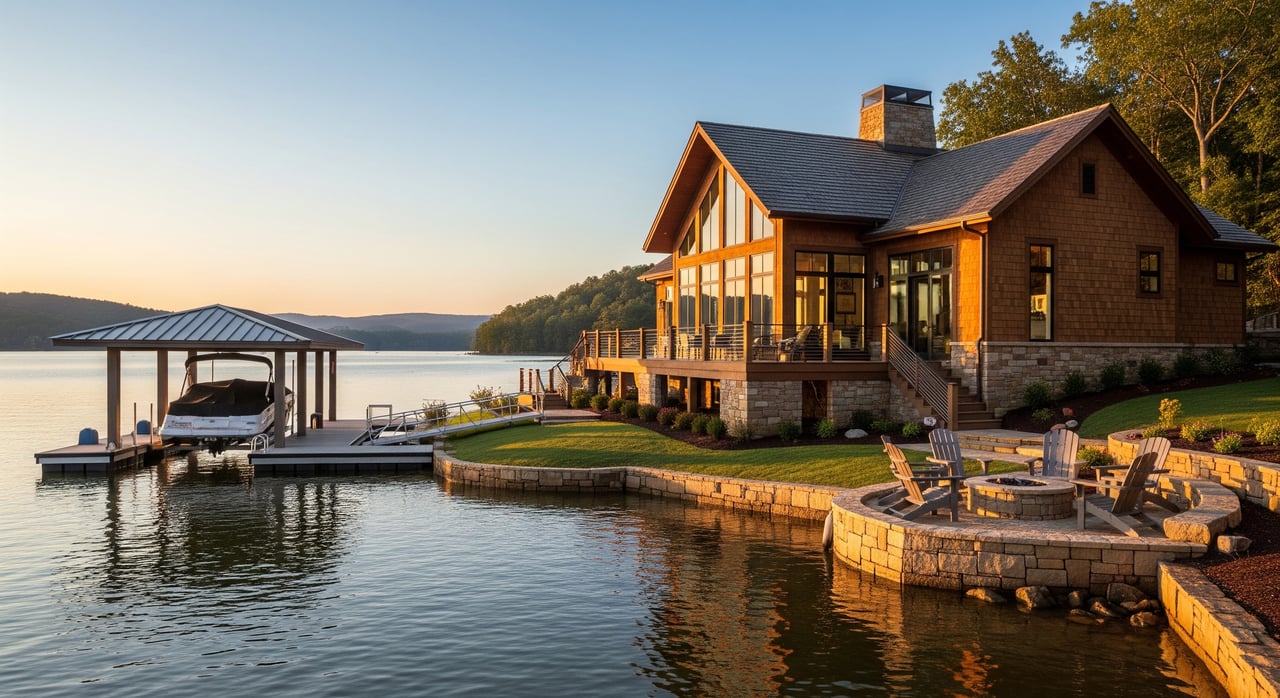
Picture yourself easing into a Moneta morning, coffee in hand, watching the sun lift over Smith Mountain Lake. If you’re dreaming about a second home here, you’re not alone. Many buyers come from out of the area and want a clear, local path for choosing the right property, financing it smartly, and managing it seasonally. This guide gives you the key steps, local rules, and practical checklists you need to move forward with confidence. Let’s dive in.
Why Moneta and SML
Moneta sits on Smith Mountain Lake in Bedford County, a regional hub for boating, fishing, and relaxed lakeside living. You’ll find marinas, restaurants, and visitor amenities that make weekend trips easy. For a quick overview of the area’s offerings, explore the resources at the Smith Mountain Lake Regional Chamber and the Smith Mountain Lake Association.
You can choose from several common property types:
- Lakefront single-family homes with private docks and lifts, which command premium prices.
- Near-lake homes with community or shared docks, often with lower maintenance.
- Condos and townhomes in marina-style communities, typically HOA-managed and easier to maintain.
- Smaller cabins, cottages, or manufactured homes that can offer lower entry costs, sometimes with financing limits.
- Vacant lots for custom builds, which require shoreline and HOA review.
Many homes here use private wells and septic systems. Docks, boat lifts, and shoreline work are major value drivers, so you’ll want to verify their condition and permits early in your search.
Define your second-home goal
Before you look at homes, be clear about how you plan to use the property.
- Second home for personal use: Many conventional loan programs allow second-home financing with specific occupancy rules and down payment requirements. The Fannie Mae Selling Guide and the Freddie Mac Seller/Servicer Guide outline typical standards.
- Rental or investment property: If you aim to rent the home frequently, lenders may treat it as an investment property, which can mean higher down payments and different underwriting.
This decision affects everything from loan terms to insurance and HOA compliance. Talk through your plan early so your financing and home search match your goals.
Financing a second home
Most buyers use conventional mortgages for second homes. Many conforming programs allow as little as 10 percent down, though lenders may require more depending on your profile. Expect to show stronger cash reserves compared with a primary residence loan.
- FHA loans: Typically limited to primary residences.
- VA loans: These generally require you to occupy the home as a primary residence. Review the VA home loan options and occupancy basics for details.
- Jumbo loans: For higher-priced homes above conforming limits, jumbo programs vary by lender.
Waterfront properties can require specialized appraisals. Comparable sales may be limited, and the appraiser will consider dock condition, usable shoreline, and unique features. Be ready for a careful valuation process.
Smart lender questions
Ask your lender the following:
- How does the program define a “second home” vs. an investment property?
- What down payment and cash reserves will I need for my situation?
- Are short-term rentals allowed under this loan, even part-time?
- How will a dock, boathouse, or unusual features affect the appraisal?
- What is the plan for insurance escrows and flood insurance if required?
Plan your insurance and risk
Insurance for a lake property deserves special attention.
- Homeowners insurance: Discuss seasonal occupancy and vacancy rules. Many policies limit coverage if the home is vacant for an extended period.
- Flood insurance: If a home is in a FEMA Special Flood Hazard Area, lenders usually require flood insurance. Even outside mapped zones, some owners choose to carry it. Check your property’s risk at the FEMA Flood Map Service Center.
- Wind and water intrusion: Ask about windstorm endorsements and deductibles.
- Umbrella liability: Often considered by second-home owners who host guests or rent occasionally.
Get quotes during your inspection period so you understand costs and any required endorsements before you remove contingencies.
Seasonality and short-term rentals
Smith Mountain Lake’s peak season runs late spring through early fall. Demand is strong in summer, while fall and winter can be quieter. If you plan to rent, build a calendar and budget that accounts for seasonal occupancy and variable expenses.
Short-term rental notes:
- STR demand is strong near marinas, public launches, and private docks. Revenue is seasonal.
- Many out-of-area owners hire a local property manager. Full-service STR management often costs about 20 to 35 percent of gross rents, depending on services.
- Taxes and compliance are your responsibility. In Virginia, you may need to register and collect state and local lodging or sales taxes. Start with the Virginia Department of Taxation and confirm local rules with Bedford County. Platforms may collect some taxes, but you must verify and remain compliant.
STR compliance checklist
- Confirm HOA and county rules for short-term rentals, occupancy limits, and parking.
- Register for required state and local taxes and confirm what platforms remit.
- Ensure your insurance policy covers short-term rental activity.
- Match advertised occupancy with septic capacity and safety codes.
- Line up reliable local help for cleaning, repairs, and guest issues.
Inspections and due diligence at the lake
Waterfront homes involve extra layers of review. Build time and budget for these items.
- Docks and in-water structures: New work or modifications often require permits. Check whether the existing dock or boathouse has valid permits and complies with current rules. The Virginia Marine Resources Commission oversees many in-water activities, and local rules can apply.
- Septic and well: Most properties rely on private systems. Request service records and an inspection by a licensed professional. Learn more about standards from the Virginia Department of Health’s onsite sewage and water services.
- Flood risk: Verify the flood zone using the FEMA Flood Map Service Center. Consider an elevation certificate for insurance purposes.
- Shoreline and stabilization: Riprap, retaining walls, and erosion control can be costly and may require permits.
- Title and access: Confirm riparian rights, recorded easements, and any dock or slip assignments. Review HOA covenants for marina, parking, and rental rules.
A dock inspection, shoreline assessment, and full septic and well evaluations are often just as important as the standard home inspection.
Your step-by-step roadmap
Use this simple plan to stay organized.
- Define your use: Personal second home, occasional rental, or frequent STR. This drives your loan, insurance, and HOA fit.
- Get pre-approved: Choose a lender experienced with second homes and waterfront appraisals. Confirm second-home vs. investment classification.
- Consult a local agent: Tour communities and property types that match your maintenance and access needs. Lakefront, near-lake, or condo each have trade-offs.
- Request documents early: Ask for HOA rules, dock permits, septic and well records, any surveys, past insurance claims, and rental history if applicable.
- Make a strong offer: Use recent lake comps and include the right contingencies for septic, well, and dock inspections.
- Inspect thoroughly: Complete general, septic, well, and dock inspections. Verify shoreline permits and compliance.
- Appraisal and underwriting: Provide appraisers with a clear list of waterfront features and dock details. Respond quickly to lender conditions.
- Line up insurance: Get homeowners and flood quotes if needed. Address vacancy and rental endorsements.
- Review HOA and utilities: Confirm rental rules, marina or slip rules, parking, and any special assessments. Plan for winterization.
- Close with confidence: Confirm transfer of any boat slips or dock rights. Coordinate key handoff, access codes, and a caretaker plan if you live out of the area.
Local pros to engage
Consider assembling your team early:
- Real estate agent with Smith Mountain Lake experience.
- Mortgage lender familiar with second-home and STR underwriting.
- Licensed home inspector plus dock inspector and, if needed, a marine contractor.
- Septic and well inspectors.
- Title company or real estate attorney versed in riparian rights and easements.
- Property manager with local STR experience if you plan to rent.
- Surveyor for boundary and shoreline confirmation on land or complex waterfronts.
Ongoing costs and maintenance
Plan a realistic annual budget so your second home stays stress-free.
- Utilities and services that fluctuate with occupancy.
- Seasonal maintenance like winterization, HVAC servicing, and dock upkeep.
- Landscaping, shoreline stabilization, and potential HOA dues.
- Insurance premiums, including any flood or STR endorsements.
- Property management or caretaker fees if you are out of area.
Ready to explore Moneta?
Buying a second home at Smith Mountain Lake is a lifestyle decision and a financial move. With the right plan, you can enjoy the lake without surprises. If you’re ready to start, connect with a local guide who understands docks, permits, and seasonal nuances. Schedule a free consultation with Amy Carter to map your path to a Moneta second home.
FAQs
What financing is typical for second homes near Moneta?
- Conventional loans are most common, often starting around 10 percent down depending on the lender, with stronger cash reserve requirements than primary homes.
How does a second home differ from an investment property for loans?
- If you plan frequent rentals, many lenders treat the property as an investment, which can mean higher down payments and different underwriting than second-home use.
Do I need flood insurance for a lakefront home?
- If the home is in a FEMA Special Flood Hazard Area and has a federally regulated mortgage, flood insurance is typically required, and many owners choose coverage even outside mapped zones.
What inspections should I get at Smith Mountain Lake?
- In addition to a general home inspection, plan dock and shoreline evaluations plus septic and well inspections to confirm safety, function, and permits.
Who regulates docks and shoreline work in Virginia?
- The Virginia Marine Resources Commission regulates many in-water structures, and local rules can apply, so verify existing permits and compliance before you buy.
Are short-term rentals allowed and what taxes apply?
- Rules vary by HOA and locality. Confirm with Bedford County and register with the Virginia Department of Taxation to collect any applicable lodging or sales taxes.
What ongoing costs should I expect as a seasonal owner?
- Budget for utilities, seasonal maintenance, dock upkeep, insurance, HOA dues if applicable, and caretaker or management support if you live out of the area.
