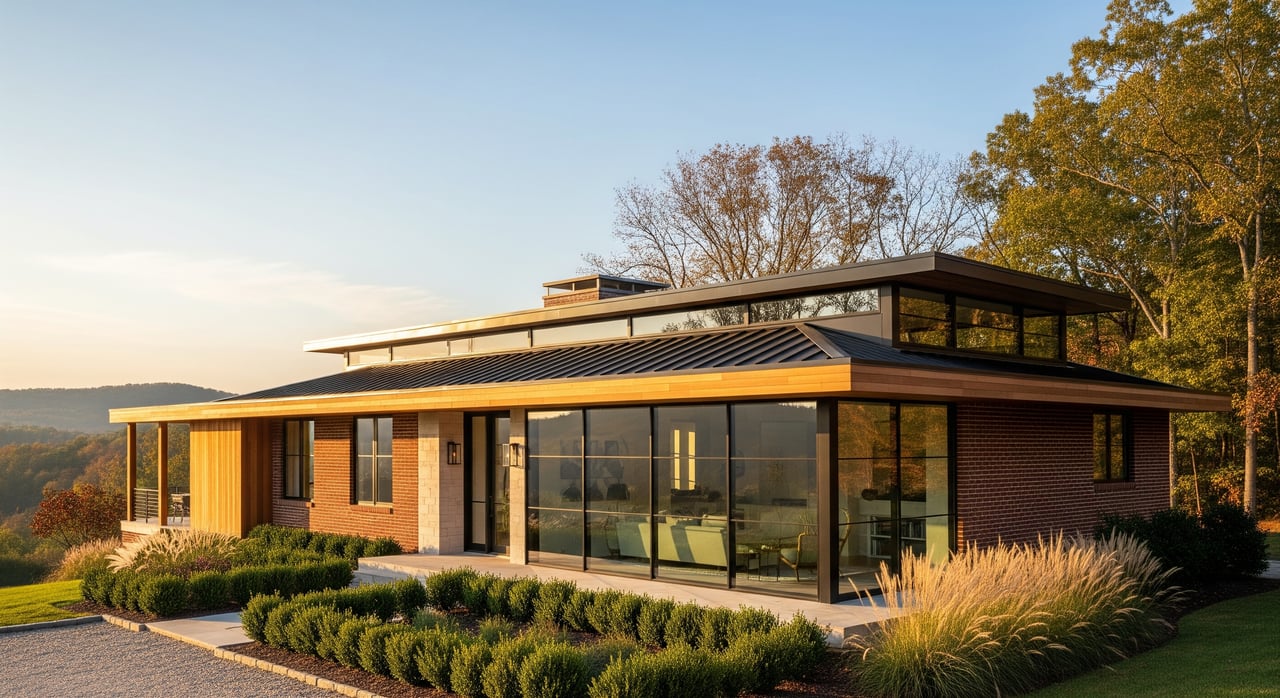
Looking at a classic Altavista brick ranch for your next flip? These mid-century homes have solid bones, but the right updates in the right order are what move the needle on value. In a smaller market like Campbell County, buyers and appraisers put more weight on safe, functional systems than on flashy finishes. If you want a faster sale and fewer surprises at appraisal, a smart, appraisal-aware plan will help you get there.
Below, you’ll find a step-by-step renovation sequence, budget guidance, and local permitting tips tailored to Altavista brick ranches. Let’s dive in.
Why brick ranch flips can work in Altavista
Brick ranches in Altavista often date from the 1950s to the 1970s. You see durable exteriors, modest floor plans, and compact kitchens. Many still have original systems or limited insulation. In a town where most buyers are local, move-in readiness and dependable systems often beat luxury upgrades.
Time on market matters. In a smaller pool of buyers, extra inventory can push prices down. A focused plan that addresses systems first, then kitchens and baths, then curb appeal, helps control holding costs and supports a smoother appraisal.
What appraisers and buyers value most
Appraisers look at comparable sales and adjust for condition, function, and any safety or deferred maintenance issues. Lenders want properties that are safe, sound, and marketable. Your updates should match what those decision makers care about most.
Priority 1: Mechanicals and structure
Mechanicals drive value and loan eligibility. Older brick ranches often have aging HVAC, 60-amp or outdated electrical panels, old plumbing, and roofs at the end of their life. Crawlspace moisture and poor grading are also common.
Focus on these items early:
- HVAC service or replacement if the system is unreliable or near the end of its expected life.
- Electrical upgrades to modern capacity with safe wiring and proper grounding.
- Plumbing repairs for aging supply lines and a reliable water heater with correct venting.
- Roof repairs or replacement if leaks or wear are present, plus sound gutters and flashing.
- Crawlspace and foundation fixes to address moisture, drainage, and wood rot concerns.
Have permits and receipts ready. Appraisers and lenders pay close attention to major system condition and documentation.
Priority 2: Kitchens and bathrooms
After systems, kitchens and baths have the strongest pull on buyer interest. Aim for function and durability over luxury. In a compact kitchen, prioritize a practical layout, reliable appliances, quality cabinet refacing or midrange replacements, ample lighting, and neutral finishes. For baths, ensure leak-free fixtures, solid ventilation, and modern, easy-to-clean surfaces.
Keep finishes aligned with neighborhood expectations. Appraisers adjust toward local comps, so avoid overspending beyond what recent sales support.
Priority 3: Curb appeal and photos
Curb appeal helps your listing photos stand out. Tackle exterior repairs that affect structure during the mechanical phase, then finish with visual upgrades before you list. Power wash the brick, refresh the front door, replace worn gutters and lights, tidy landscaping, and set a neat, inviting entry.
A proven renovation sequence
This sequence keeps risk in check, batches trades, and prepares you for inspections. Timelines vary by scope and contractor availability.
Pre-purchase due diligence
- Order a full home inspection, with termite, septic, and roof checks as needed.
- Verify age and product type with local tax or assessor records.
- Pull neighborhood comps and sketch your after-repair value and repair budget.
- Consult a contractor or GC for ballpark pricing and license verification.
Weeks 0 to 2: Permits and prep
- Confirm permit jurisdiction early. In Altavista, you may fall under the town or Campbell County building inspections.
- Secure permits per the Virginia Uniform Statewide Building Code.
- Address any lead-based paint or asbestos concerns before demolition. Pre-1978 homes require EPA RRP compliance when you disturb painted surfaces.
- Complete initial demo and hazardous-material abatement if needed.
Weeks 2 to 6: Mechanicals and core work
- Repair or replace the roof as needed.
- Replace or service HVAC, upgrade the electrical panel and service, and address plumbing defects.
- Correct foundation and crawlspace moisture issues and improve grading.
- Add insulation or basic energy upgrades while walls and attic are open.
- Schedule required inspections for permitted work.
Weeks 4 to 8: Shell and rough finishes
- Close walls, hang and finish drywall, and prime paint.
- Replace windows and doors where necessary.
- Prepare subfloors and underlayments to set the stage for kitchen and bath installs.
Weeks 6 to 10: Kitchens and baths
- Install cabinets or complete refacing, set countertops, and install fixtures and lighting.
- Place appliances after dust-heavy work is done and power is confirmed.
- Complete bath surrounds, vanities, hardware, and proper ventilation.
Weeks 8 to 12: Interior finishing and commissioning
- Finish paint, trim, hardware, light fixtures, and closet systems.
- Commission HVAC, set up the water heater, and confirm all systems function correctly.
Final 1 to 2 weeks: Curb appeal and launch
- Power wash, tidy landscaping, refresh the front door and exterior lights, and clean gutters.
- Deep clean the interior and stage for photos.
- Complete final inspections, collect permits and sign-offs, and organize documentation for the appraiser and buyer.
Timing guide:
- Small cosmetic projects with minor system work: about 4 to 8 weeks.
- Moderate flips with mechanical replacements and a kitchen rework: about 8 to 14 weeks.
- Major structural or whole-house renovations: 3 to 6 months or more.
Build in cushion time for permits, special orders, and trade scheduling.
Budget and scope that appraise
Your spending should support safe systems and practical spaces. A balanced budget for a typical flip might look like this:
- Mechanicals, roof, foundation, structural: 20 to 35 percent
- Kitchen, midrange scope: 20 to 30 percent
- Bathrooms, each: 8 to 15 percent
- Exterior and curb appeal: 5 to 10 percent
- Interior cosmetic updates like paint and flooring: 10 to 20 percent
- Permits, inspections, contingency: 5 to 15 percent
Plan for a 10 to 15 percent contingency. In smaller markets, conservative choices and durable finishes that align with recent sales often outperform high-end upgrades when it is time to appraise.
Permits, codes, and compliance in Campbell County
- Confirm whether the property falls under the Town of Altavista or Campbell County for permits and inspections.
- Follow the Virginia Uniform Statewide Building Code for construction standards.
- For homes built before 1978, comply with the EPA Renovation, Repair and Painting rule when disturbing painted surfaces.
- If asbestos is present in old flooring, insulation, or adhesives, use qualified abatement professionals before demolition.
Getting permits and inspections for structural and mechanical work supports a smoother appraisal and reduces the risk of lender issues later.
Build an appraiser-ready documentation package
A clean, complete file helps appraisers confirm your value and gives buyers confidence. Keep these items organized and ready to share:
- Permit records and final inspection sign-offs for all mechanical and structural work.
- Receipts and invoices with install dates for HVAC, roof, water heater, electrical panel, and major plumbing repairs.
- Before-and-after photos of key repairs and upgrades.
- System and appliance warranties.
- A concise list of comparable sales you used to set your price, with short notes about differences.
- Disclosures for any remaining issues like septic, easements, or floodplain status.
Pitfalls that can sink your flip
- Skipping system repairs while spending on cosmetics. Appraisers and lenders focus on major defects.
- Doing unpermitted mechanical or structural work. This can delay or derail financing.
- Over-improving beyond what neighborhood comps support.
- Ignoring moisture, termite, or structural red flags that trigger lender-required repairs.
Local investor tips for Altavista
- Verify permit jurisdiction early since town and county processes can differ.
- Use local trades when possible. Local pros understand regional issues like drainage, soils, and seasonal scheduling.
- Plan exterior work around weather. Roofing, landscaping, and exterior paint go faster in fair seasons.
- In your listing, highlight new systems, clean inspections, and move-in readiness. In smaller markets, this can outperform cosmetic upgrades alone.
- If you are using rehab financing, check program scope early so your plan aligns with appraisal expectations.
Fast checklist before you buy
- Get a home inspection, plus termite, septic, and roof checks where needed.
- Confirm flood zone status and any known easements or septic concerns.
- Verify permit history and code compliance for past work.
- Price conservative ARV targets using recent local comps.
- Reserve a 10 to 15 percent budget contingency and time buffer.
Renovating an Altavista brick ranch can be a straightforward, profitable project when you prioritize safety, function, and documentation. Systems-first planning protects your appraisal, midrange kitchens and baths attract local buyers, and a tidy exterior brings strong photos. Keep your scope aligned with neighborhood comps and you can bring a move-in ready home to market with confidence.
Ready to talk through a property or fine-tune your flip plan in Altavista or nearby areas? Reach out to Amy Carter at Unknown Company to schedule a free consultation.
FAQs
What adds the most value on Altavista brick ranch flips?
- Focus on mechanicals first, then midrange kitchens and baths, with curb appeal timed for listing photos. Appraisers and buyers prioritize safe, functional systems.
Do I need permits in Campbell County for HVAC or electrical work?
- Yes, mechanical and electrical upgrades typically require permits and inspections, and the work must meet Virginia’s Uniform Statewide Building Code.
How long does a typical Altavista brick ranch flip take?
- A cosmetic project can take 4 to 8 weeks. Moderate flips with system replacements often run 8 to 14 weeks. Larger structural jobs can take 3 to 6 months or more.
What is a smart kitchen budget for these homes?
- Plan about 20 to 30 percent of your total remodel budget for a midrange kitchen with durable finishes that align with neighborhood comps.
How do I prepare for the appraisal on my flip?
- Provide permits, final inspections, invoices, and before-and-after photos, plus system warranties and a short comp list that supports your asking price.
