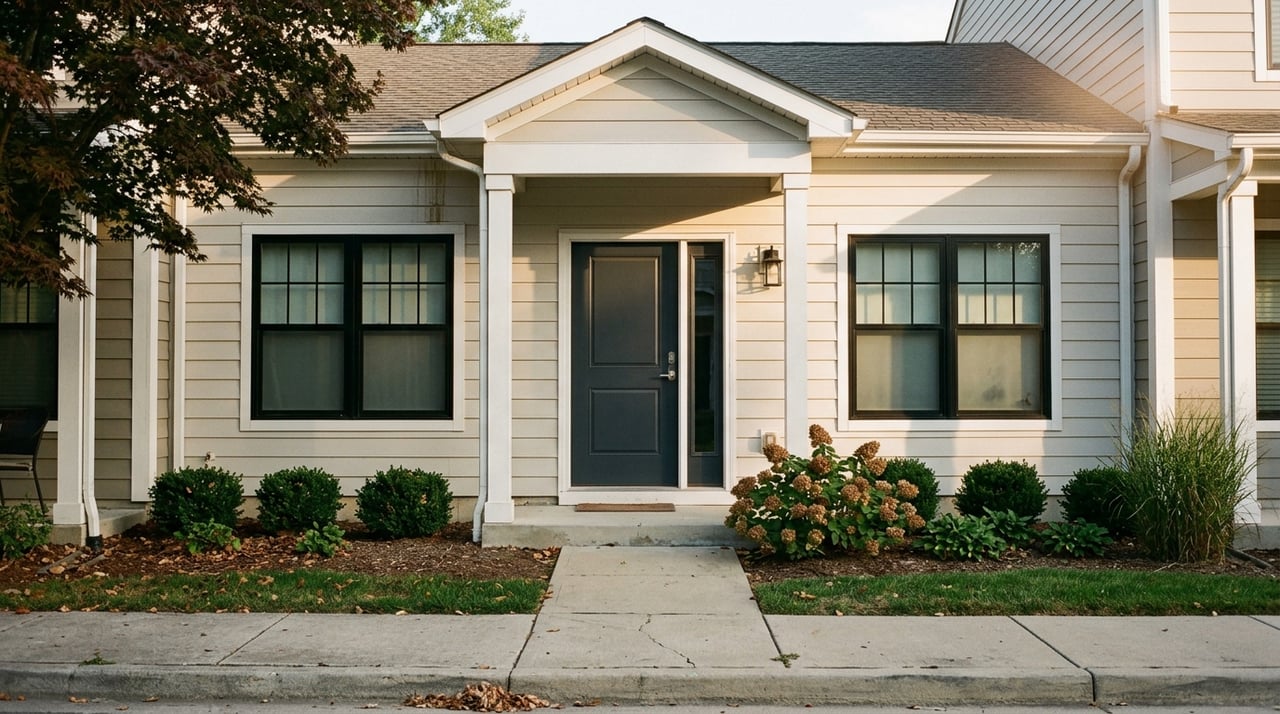
If you want less yard work, simpler upkeep, and a home that may put shops, trails, or community amenities closer to your daily routine, condo and townhome living in Lynchburg is worth a closer look. For many buyers, the appeal is not just the home itself. It is the combination of location, shared maintenance, and lifestyle. In this guide, you will see where these homes tend to show up in Lynchburg, what ownership usually involves in Virginia, and what to review before you buy. Let’s dive in.
Where condos and townhomes fit in Lynchburg
Lynchburg has long been shaped by single-family housing, but city planning materials show a need for a mix of housing types to serve households with different budgets and needs. The city reports that 64.2% of the housing stock is single-family, while townhouses and duplexes make up about 10% of units. That helps explain why condo and townhome options can feel more concentrated in certain pockets instead of spread evenly across the city.
In practice, many of these homes appear in planned communities or mixed-use settings. City materials describe Wyndhurst as a $200 million mixed-use development with residential, institutional, retail, and commercial components. That pattern matters because when you shop for this type of home in Lynchburg, you are often choosing not only a floor plan, but also a broader community setup.
Why buyers choose this lifestyle
For many buyers, condo and townhome living offers a clearer maintenance picture than a detached house. Instead of handling every exterior task on your own, you may have an association that covers some shared responsibilities. That can be especially appealing if you want to spend less time on upkeep and more time enjoying where you live.
This style of ownership also tends to come with community features that would be difficult to maintain on your own. In Lynchburg examples, buyers may find pools, fitness spaces, sidewalks, trails, dog parks, pocket parks, or shared gathering areas. If you like the idea of a home that is paired with built-in amenities, this can be a strong fit.
It can also work well if you want a more lock-and-leave setup. First-time buyers often appreciate the more predictable maintenance structure, while downsizers may value less exterior workload. The key is making sure the monthly dues, rules, and services line up with how you actually want to live.
Lifestyle patterns around Lynchburg
Downtown living and walkability
Downtown Lynchburg supports one of the city’s more urban and walkable lifestyles. Tourism materials note 2,181 public parking spaces downtown, a train station in the city center, and pedestrian routes such as RiverWalk and Bluffwalk. Those routes connect river views, restaurants, public art, shops, and attractions, giving downtown housing a different feel from more spread-out parts of the city.
That setting helps explain why some newer townhome options are centered there. For example, 500 Court Townhomes is a new construction community in Downtown Lynchburg near Main Street, Lower Bluffwalk, Academy Theatre, Amazement Square, restaurants, and other downtown destinations. If being close to everyday activity matters to you, this kind of location may feel very different from a more traditional neighborhood layout.
Planned communities and amenity packages
Outside downtown, some Lynchburg-area communities focus more on bundled amenities and neighborhood infrastructure. Cornerstone’s materials highlight features like a 25-acre park, pool and splash park, pocket parks, sidewalks, paved walking and jogging trails, fiber-optic service, and bus service to Liberty University and the Lynchburg area. That gives you an example of how townhome or condo-style ownership can be part of a broader planned-community experience.
English Commons offers another version of that lifestyle, with move-in-ready townhomes ranging from 2 to 3 bedrooms and about 1,250 to 1,450 square feet. Community materials highlight private patios, a pool, fitness center, clubhouse coffee bar, dog park, sidewalks, and maintenance-free living. These examples show that in Lynchburg, your choice often comes down to the mix of home size, setting, and shared features.
Condo vs. townhome ownership in Virginia
Before you buy, it helps to know that “condo” and “townhome” do not always mean the same thing legally or financially. In Virginia, a condominium is ownership of a single unit in a multiple-unit structure along with common elements. Under the Virginia Condominium Act, the unit owners’ association generally handles the common elements, while the individual owner handles the unit itself unless the condominium documents say otherwise.
Townhomes can be part of a property owners’ association instead of a condominium structure. In those communities, the declaration governs what the association must maintain or operate in the common area and can require mandatory payments for maintenance and services. Virginia law also allows additional assessments when needed for common-area upkeep and capital components.
That means you should not assume two similar-looking homes come with the same responsibilities. One community may include broad exterior services, while another may place more repair responsibility on you as the owner. The real answer is always in the governing documents.
What monthly fees may cover
One of the biggest buyer questions is simple: what do the dues actually pay for? In Lynchburg communities, the answer varies quite a bit. Some associations cover only a few shared services, while others take on a larger package of maintenance and operations.
Local examples show just how different that can look. A current Lynchburg townhome project, Elevate Communities, says its expected HOA fee is about $100 per month and would cover grounds maintenance, roof upkeep, trash collection, road maintenance, and more. Other community materials in the area describe broader coverage that may include exterior maintenance, lawn care, landscaping, snow removal, trash service, insurance, or cleaning of interior common areas.
This is why dues should never be judged by the number alone. A lower monthly fee may mean fewer services. A higher fee may make sense if it covers major exterior items that you would otherwise budget for separately.
Why the documents matter so much
If you are considering a condo or townhome in Lynchburg, the governing documents deserve as much attention as the kitchen or floor plan. Virginia requires a resale certificate with important details about the association and the property being sold. That package should include the governing documents, assessment schedules, unpaid amounts, other fees, any other entities or facilities with charges, and any unsatisfied judgments or pending actions that could materially affect the association or the unit.
The Common Interest Community Board at the Virginia Department of Professional and Occupational Regulation administers the state’s condo, POA, and resale-disclosure framework. In plain terms, that means association rules and records are a central part of your due diligence. You are not just buying walls and finishes. You are buying into a system of shared responsibilities and community rules.
Key questions to ask before you buy
What maintenance is covered?
Start by asking for a plain-language breakdown of who handles what. In a condo, the association generally handles common elements, but the exact split comes from the condominium instruments. In a POA community, maintenance duties come from the declaration and related documents.
Are the reserves healthy?
Reserve funding is one of the most important things to review. Virginia condominium associations must conduct a reserve study at least once every five years and review it annually to see whether reserves remain sufficient. For you as a buyer, this is a practical issue because reserve strength can affect future special assessments and the association’s ability to maintain the property over time.
Are there rental restrictions?
Do not assume you can rent the home later just because you own it. Some Lynchburg-area communities have strict use rules. Braxton Park’s POA materials, for example, state that short-term rentals such as Airbnb and Vrbo are not allowed and that leases must be at least 12 months.
How much parking and access do you need?
Parking and daily convenience matter more than many buyers expect. Downtown buyers may value access to public parking, walkable routes, or central destinations, while buyers in other areas may focus more on road access and commute patterns. A home can check every box on paper and still feel wrong if the surrounding setup does not match your routine.
Is this a good fit for your next move?
Condo and townhome living in Lynchburg can make a lot of sense if you want lower exterior maintenance, access to shared amenities, or a more connected location. It can also be a smart option if you want to simplify your day-to-day responsibilities without giving up ownership. Still, that convenience usually comes with monthly dues and more rules than you might have with a detached home.
The best choice is usually less about the label on the property and more about the full package. You want the location, budget, amenities, documents, parking setup, and ownership responsibilities to work together. When they do, condo or townhome living can be a practical and enjoyable fit for many kinds of buyers in Lynchburg.
If you want help comparing communities, reviewing what association documents mean in real life, or finding the right fit for your budget and goals, Amy Carter is here to help with local guidance and personalized support.
FAQs
What is the difference between a condo and a townhome in Lynchburg?
- In Virginia, a condominium means you own a unit plus shared common elements, and the association generally handles common elements unless the documents say otherwise. A townhome may instead be governed by a property owners’ association, where maintenance and owner obligations depend on the declaration and community rules.
What do condo or HOA fees usually cover in Lynchburg communities?
- Coverage varies by community and may include items like grounds maintenance, trash collection, roof upkeep, lawn care, snow removal, insurance, or other shared services. You should always review the association documents to see the exact breakdown.
Can you rent out a condo or townhome in Lynchburg later?
- Sometimes, but not always. Some communities have rental restrictions, including bans on short-term rentals or minimum lease terms, so it is important to confirm those rules before you buy.
What should buyers review before purchasing a Lynchburg condo or townhome?
- Ask for the resale certificate and review the governing documents, fee schedules, unpaid amounts, other required charges, pending legal issues, maintenance responsibilities, and reserve information so you understand both the home and the association.
Are condos and townhomes good for first-time buyers in Lynchburg?
- They can be, especially if you want a clearer maintenance picture and access to shared amenities. The right fit depends on your budget, comfort with monthly dues, and how well the community rules match your plans.
Are condos and townhomes a good option for downsizing in Lynchburg?
- They can be a practical downsizing option if you want less exterior upkeep and easier access to amenities. You should still compare tax costs, dues, services, and association rules to see whether the overall setup supports your goals.
